31
MAR
MAR
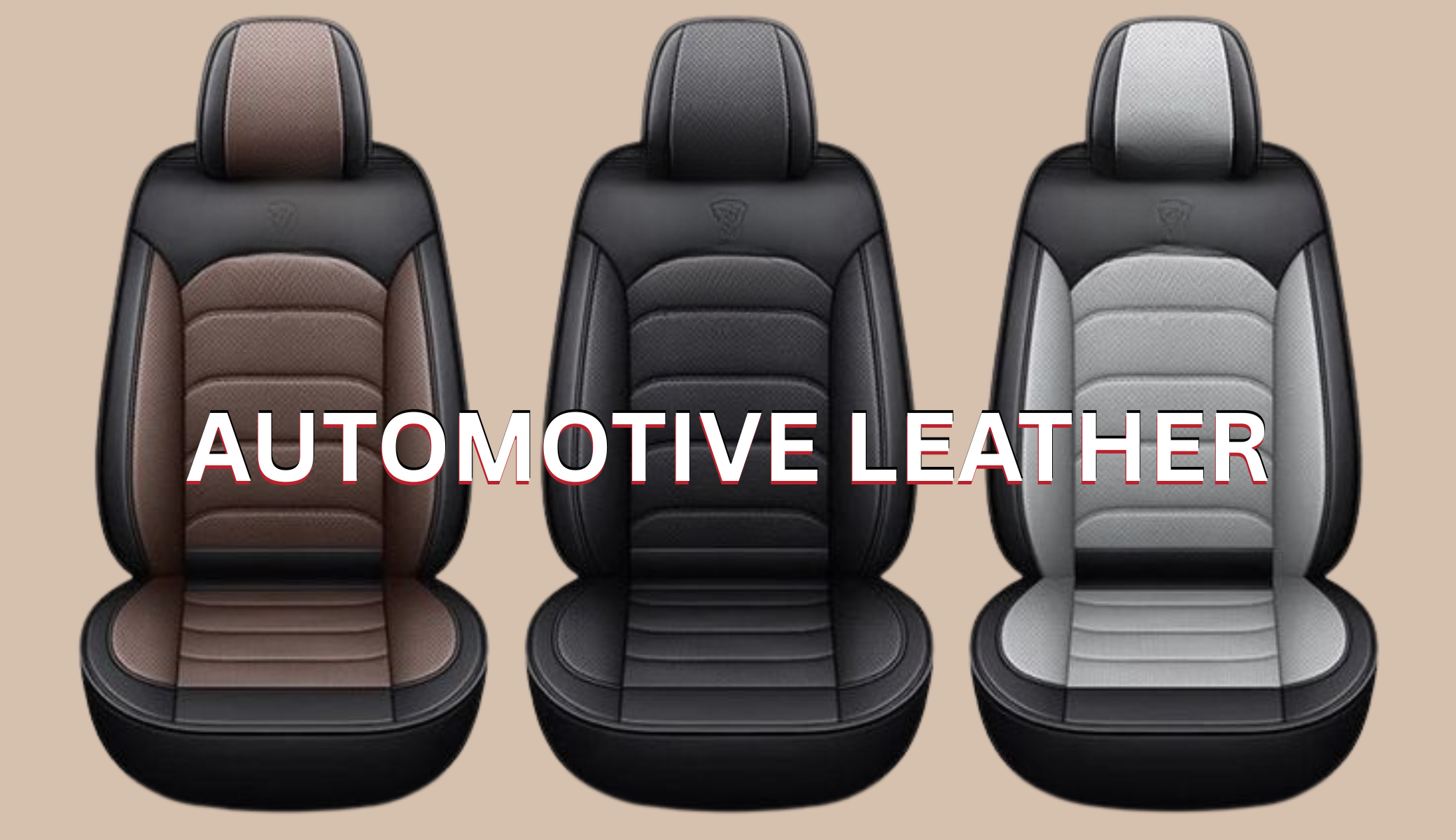
High-Quality Automotive Leather for Superior Comfort and Style
In today’s automotive world, interior design plays a crucial role in defining the overall driving experience. Among all interior materials, automotive leather stands out as a symbol of luxury, durability, and comfort. From premium sedans to high-end SUVs, high-quality leather upholstery continues to be the preferred choice for car manufacturers and customers alike.
But what exactly makes automotive leather so special? Why is it considered superior to other materials? And how does it enhance both comfort and style?
In this blog, we’ll explore everything you need to know about high-quality automotive leather—its benefits, types, features, and why it remains a top choice for modern vehicles.
What is Automotive Leather?
Automotive leather is a specially engineered material designed specifically for car interiors. Unlike regular leather used in furniture or fashion, it is manufactured to withstand extreme conditions such as heat, sunlight, friction, and daily wear and tear.
It undergoes advanced treatments like:
- UV resistance coating
- Scratch and stain protection
- Anti-fading processing
- Enhanced durability finishing
This makes it significantly more robust and long-lasting compared to standard leather.
Additionally, automotive leather is often top-grain or corrected grain leather, treated to ensure uniform texture, consistent color, and easy maintenance.
Why High-Quality Automotive Leather Matters
Choosing high-quality automotive leather is not just about luxury—it directly impacts comfort, durability, and the overall driving experience.
Superior Comfort
High-quality leather provides a soft, smooth, and supportive seating experience. It adapts to body contours and offers better cushioning during long drives.
Advanced options like:
- Perforated leather (for ventilation)
- Foam-backed leather (for extra comfort)
Enhance airflow and reduce heat buildup, making it more comfortable in different climates.
Exceptional Durability
Car interiors face constant usage—sliding, pressure, spills, and exposure to sunlight. Automotive leather is engineered to resist:
- Abrasion and friction
- Cracking and fading
- Stains and moisture
Its protective coating ensures long-term performance even under harsh conditions.
Luxurious Aesthetic Appeal
Leather interiors instantly elevate the look of a vehicle. The rich texture, premium finish, and elegant stitching create a sophisticated atmosphere.
Unlike fabric, leather:
- Maintains its appearance longer
- Develops a natural patina over time
- Enhances resale value
Easy Maintenance
One of the biggest advantages of leather is its ease of cleaning. Spills and dirt can be wiped off quickly without soaking into the material.
This makes it ideal for:
- Families with kids
- Long-distance drivers
- Commercial vehicles
Better Hygiene
Leather does not trap dust, allergens, or odors as easily as fabric materials. This contributes to a cleaner and healthier cabin environment.
Types of Automotive Leather
Not all leather is the same. Different types offer varying levels of comfort, durability, and luxury.
1. Full-Grain Leather
- Highest quality leather
- Retains natural grain and texture
- Extremely durable and breathable
- Used in luxury vehicles
2. Top-Grain Leather
- Slightly processed for uniformity
- Smooth finish and good durability
- Common in premium cars
3. Aniline Leather
- Softest and most natural
- Rich appearance with visible grain
- Requires more care
4. Semi-Aniline Leather
- Balance between luxury and protection
- Slight coating for durability
- Retains natural look
5. Pigmented (Protected) Leather
- Most widely used in cars
- Strong protective coating
- Resistant to stains and wear
- Easy to maintain
6. Synthetic / Vegan Leather
- Cost-effective alternative
- Improved durability and consistency
- Increasingly popular in modern vehicles
Each type serves different needs depending on budget, usage, and desired aesthetics.
Key Features of High-Quality Automotive Leather
When selecting automotive leather, several performance factors determine its quality:
1. UV Resistance
Car interiors are constantly exposed to sunlight. High-quality leather includes UV-resistant coatings to prevent fading and cracking.
2. Temperature Resistance
Automotive leather must withstand extreme temperatures—from hot summers to cold winters—without losing flexibility.
3. Abrasion Resistance
High-quality leather can endure repeated use without tearing or wearing out.
4. Breathability
Premium leather allows airflow, reducing sweat and improving comfort.
5. Eco-Friendly Standards
Modern automotive leather meets strict environmental guidelines, including low VOC emissions and reduced chemical usage.
Automotive Leather vs Fabric Interiors
While fabric may be more affordable, leather offers unmatched durability and premium appeal.
Applications of Automotive Leather
High-quality automotive leather is used in multiple areas of a vehicle, including:
- Seats and seat covers
- Steering wheels
- Door panels
- Dashboard trims
- Armrests and consoles
These applications enhance both functionality and design consistency across the vehicle interior.
Trends in Automotive Leather
The automotive industry is evolving, and so is leather technology. Some key trends include:
1. Sustainable Leather
Manufacturers are focusing on eco-friendly tanning processes and recyclable materials.
2. Vegan Leather
Synthetic alternatives are gaining popularity due to cost efficiency and environmental concerns.
3. Customization Options
Consumers can now choose:
- Color variations
- Stitching patterns
- Texture finishes
4. Smart Leather Technology
Innovations include:
- Heated and ventilated seats
- Integrated sensors
- Anti-bacterial coatings
How to Choose the Right Automotive Leather
Selecting the right leather depends on your needs and preferences.
Consider the Following:
- Budget – Premium leather offers better quality but costs more
- Usage – Daily use requires durable, low-maintenance leather
- Climate – Hot regions benefit from ventilated leather
- Maintenance – Choose coated leather for easy care
Maintenance Tips for Automotive Leather
To maintain its beauty and durability:
- Clean regularly with a soft cloth
- Use pH-balanced leather cleaners
- Avoid direct sunlight for long periods
- Apply conditioner periodically
- Prevent spills and stains